


Although marketers rarely think about web design, for actual web designers, standard web conventions and design best practices are critical. They are the conventions and rules to abide by and align the design towards visitors’ expectations. They are general guidelines for website clarity and usability. While studying the best online websites, certain trends start to emerge. Up to 80% of websites use the same design approach, and fewer than 50% conform with no specific design approach dominating. The sites analysed are all in the marketing and advertising business category.
Web design best practices include having the business or company logo at the top left of the screen. Almost all websites have their clickable logos there. The contact details should be placed on the top right of the screen. Nearly half of the sites have a contact button or link of some sort located at the top right-hand corner of each page. Furthermore, the main navigation is typically situated across the top of the screen. Almost 90% had the main navigation located within the header, right at the top of each page. This means horizontal, top-level web-navigation can be taken as a design standard, and good practice. Carousel slideshows, with a rotating series of images and messages, are prevalent in over a quarter of websites.
Other sites seem to be favouring more static images, instead of a rotating series of different images. Any value propositions should be placed high up on the landing page, as this increases the chances of users clicking on them. Almost 80% of marketing websites locate clear value propositions rather high up on the landing/home page. The call to action should also high up on the landing page. Almost 80% of websites had prominent and visual calls to action. The header should contain the search feature. Unless the website includes a significant amount of content, it is hardly necessary to have a search feature. Those that do need one, usually place it globally on every page either as a clickable link, an icon or search box.
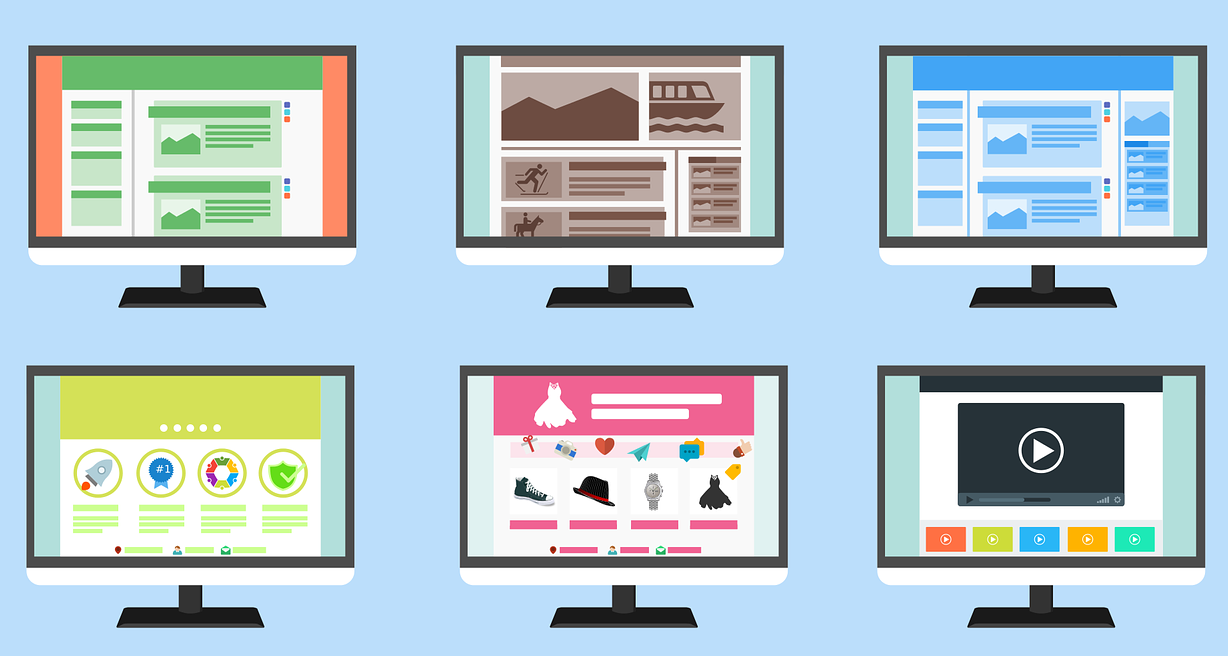
The footer should contain a box with the signing up feature. Almost a quarter of websites do so, and the sitemap, copyright, privacy, terms and conditions/legal, and contact links are generally also located there. Visitors and users would expect to find the contact information located at the bottom right-hand side or bottom centre of the site. The social media icons/links are customarily located down in the footer, sometimes even at the very tip of the landing page. Nevertheless, three-quarters of websites do place the social media links within the footer.
Websites these days have become beautiful works of art, and subsequently, new trends will continue to emerge as technology and design move forward. One of the paramount tends are a mobile-friendly and responsive website design. The visitor must have a great experience while on the site, regardless of which device is being used to access it. That means the website has to be accessible by phone, tablet and desktop easily. The final question begs, does your business website follow the standards and conventions of best practice in web design? If not, get in touch for an obligation free consultation.