


Much like the rest of the business world, the healthcare industry has taken a huge leap into the digital, data-driven world. With systems and set-ups focused on Business Intelligence; the success and high-standard results of the healthcare industry relies deeply on the incorporation of BI into the current medical system. This is no longer an added perk but a requirement.
With the involvement of Business Intelligence in the healthcare system, professionals in the field are able to estimate their spending by reducing costs and increasing revenue while keeping to the industry’s standards. This strategic element can be incorporated into healthcare providers’ plans for future success by identifying the highly profitable services through monitored labour costs and the revamping of underused services or goods such as medication distribution and other costly, yet necessary factors.
The most important factor to consider when dealing with Business Intelligence in the healthcare industry is most definitely the people factor. The million dollar question here is: how can healthcare BI generate data to improve the quality of services and the efficiency in a patient’s visit to a clinic or hospital?
There are a number of ways in which Business Intelligence can gain visibility in the healthcare field, and with operational performance, financial operations and effective marketing efforts in place, the quality of patient satisfaction can be increased. Here are a few benefits on how the world’s healthcare systems and patient outcomes can be improved:
Redundant tests and their elimination
Healthcare Business Intelligence gathers data that is at the disposal of physicians. By using such data, doctors and eligible employees in the medical system are better able to deliver flawless advice, effective therapies and compatible treatments to those under their care, so the repetition of tests and treatments can be avoided.
When with a patient, professionals are quickly presented with a full list of all the procedures and remedies suggested for any given individual. This inherently defines the ‘next step’ for each case and eliminates the chances of repeat tests which are a burden for both the patient and the doctors responsible.
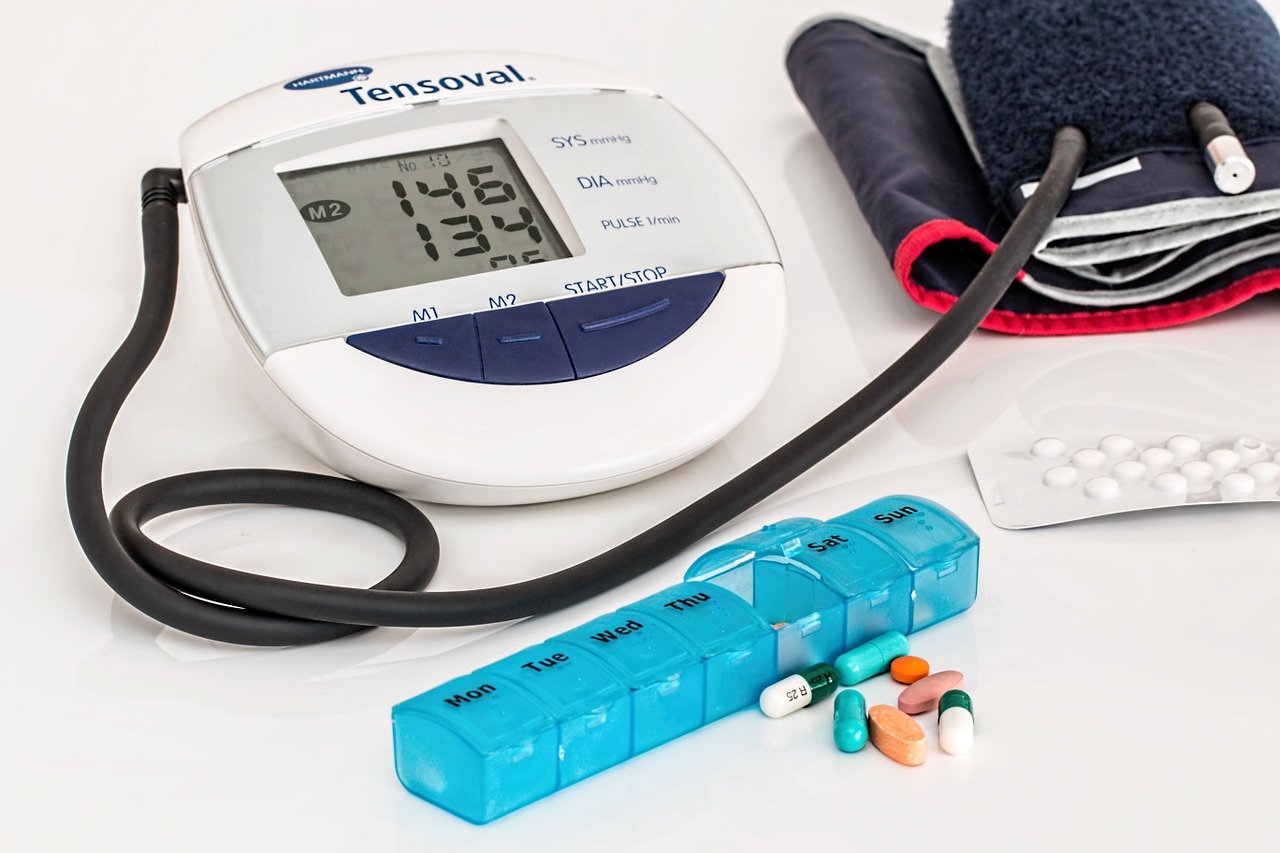
Personalised patient medication routines
There’s nothing worse than a misdiagnosis, nothing more time consuming than an ineffective regiment suggested to a patient. It was common practice to apply general treatment practices to patients where at times a patient’s medical history went missing or where current health concerns are not catered for. This is a dangerous and sensitive factor that through BI has been eradicated.
Business Intelligence keeps everything up-to-date. There are no gray areas in patient files and therefore treatment regimes can be better tailored to individuals battling disease or illness. Recurring ailments are also recorded in the healthcare BI setup so faster diagnosis and treatment may be offered to ill individuals.
Prevention is always better than cure
Big data plays a huge role in the healthcare industry and has the power to stop genetic problems in their tracks or if not so fortunate, limit any complications by means of early detection. Preventing the suffering and discomfort of individuals in the medical system is the number one goal for all healthcare staff and Business Intelligence can help in identifying this.
Better insight, improved statistics, analysis of genetic markers and other key factors are paramount in the constant improvement of the healthcare system. By means of Business Intelligence better decisions can be made with reduced error and overall patient satisfaction.
Moving forward logistically
BI tools not only help in properly diagnosing or caring for patients but also aid the overall flow of patient intake, enable accurate treatment options and utilise healthcare facilities to their maximum potential. Knowing who or what needs immediate attention is best discovered via Business Intelligence systems – human error here is greatly reduced.
Emergency, trauma or critical situations are given priority, not only by means of professionalism, compassion or empathy linked to medical staff, but simply through the eyes of a highly monitored and optimised intelligence system. All the while saving time and money for the public or private medical body.
The crucial role that Business Intelligence plays in the healthcare system will continue to improve with the enhancements in technology, the increased availability of such BI tools and the overall know-how of this data-driven phenomenon. Through Business Intelligence better decisions can be made throughout the global reach of healthcare organisations from both a medical and financial perspective; giving humanity as a whole an additional boost in their medical experience.